Trionyx / Ahmedabad, Gujarat, India

Flutter app development for your next product release.

Build an iOS and Android app around the journeys your users actually need. Our Ahmedabad team brings product design, Flutter development and backend integration together in a clearly scoped delivery plan.

A focused brief. A scoped proposal. Clear next steps.

01 / A useful starting point

Built around the work
you need to get done.

For founders validating a mobile product and businesses building customer or internal apps. Flutter is worth evaluating when iOS and Android share core journeys; device integrations and platform-specific requirements still need their own review.

01

A focused first release

Turn a broad idea into an app with a clear user journey, prioritised features and a manageable first version. We work through roles, screens, data and failure states before implementation. Features that do not support the release goal can stay in a later phase.

02

Flutter UI & application development

Build reusable interfaces and application logic for iOS and Android from a shared Dart codebase. We consider navigation, accessibility, loading states and performance on the target devices. Shared code reduces duplication, but it does not remove the need for platform-specific testing.

03

APIs, accounts & integrations

Connect the app to an existing backend or scope a new one. Authentication, payments, notifications, camera access and document uploads each have design and operational implications. We identify provider accounts, permissions and integration dependencies before committing to a release date.

04

Existing apps & release support

Discuss a Flutter feature, an application review or a migration from an older app. We assess code quality, APIs and data migration needs first. Store submission support can be scoped alongside testing, release configuration, crash reporting and maintenance.

02 / From discussion to delivery

A clear process.
An agreed handover.

What we scope together

  • A prioritised feature scope and agreed user journeys for the release.
  • Interface designs or an agreed plan for working with your existing designs.
  • Flutter source code and backend integrations specified in the proposal.
  • Device and platform testing against agreed acceptance criteria.
  • Release notes, deployment guidance and a documented ownership handover.
  1. 01

    Define the product

    Explain the users, the problem and the most important action in the app. Bring an existing brief, designs or API documentation if you have them; an early idea is also a useful starting point.

  2. 02

    Design the first journeys

    Agree screens, navigation and key interactions before building. Clarify permissions, account recovery, empty states and how the experience should behave with a slow or unavailable connection.

  3. 03

    Build & review in stages

    Develop the agreed features and integrations, with demonstrations tied to milestones. Test on the relevant iOS and Android devices rather than relying only on a simulator or a successful build.

  4. 04

    Prepare for release

    Review acceptance criteria, account ownership, store materials and the release checklist. Agree bug-fix coverage and maintenance separately. App Store and Google Play review decisions remain with the platform operators.

03 / Explore the work

Relevant project examples.

Start with the features and workflows in our portfolio. We can discuss the delivery context and how a similar approach might fit your brief.

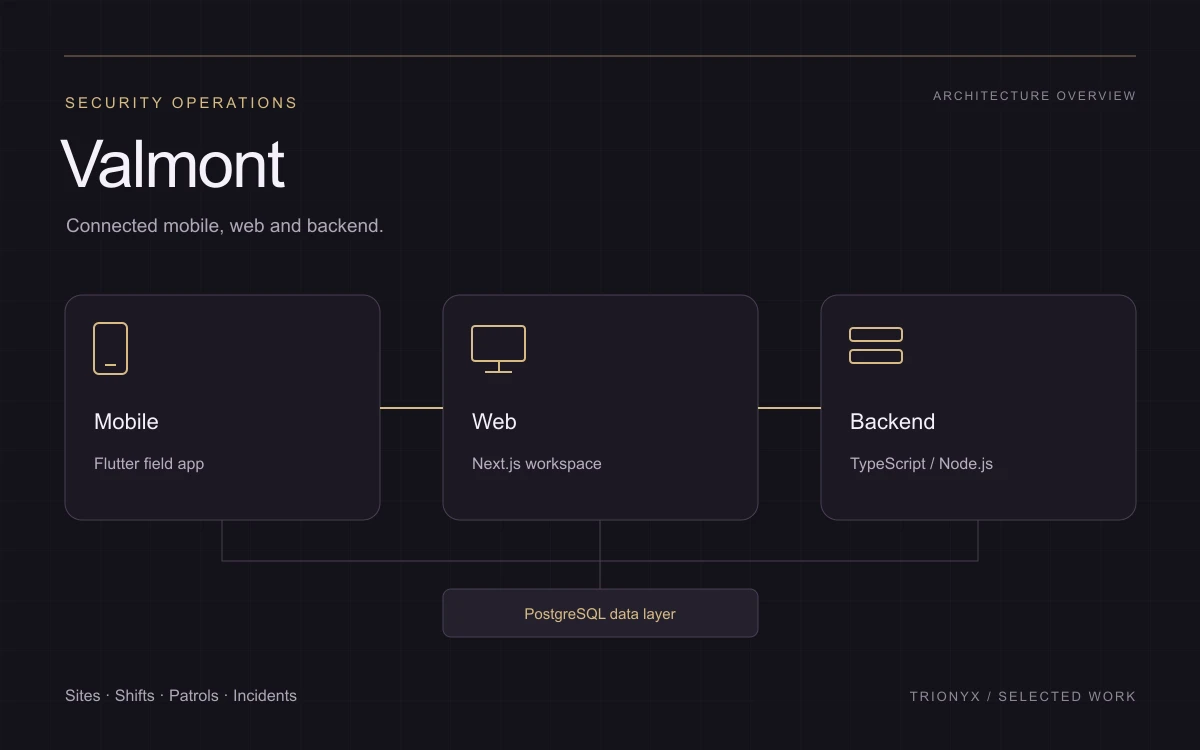
Valmont application architecture illustration

Portfolio / Project overview

Valmont

A Flutter field app connected to a Next.js security operations dashboard and shared backend. Explore mobile roles, shifts, patrols and reporting workflows.

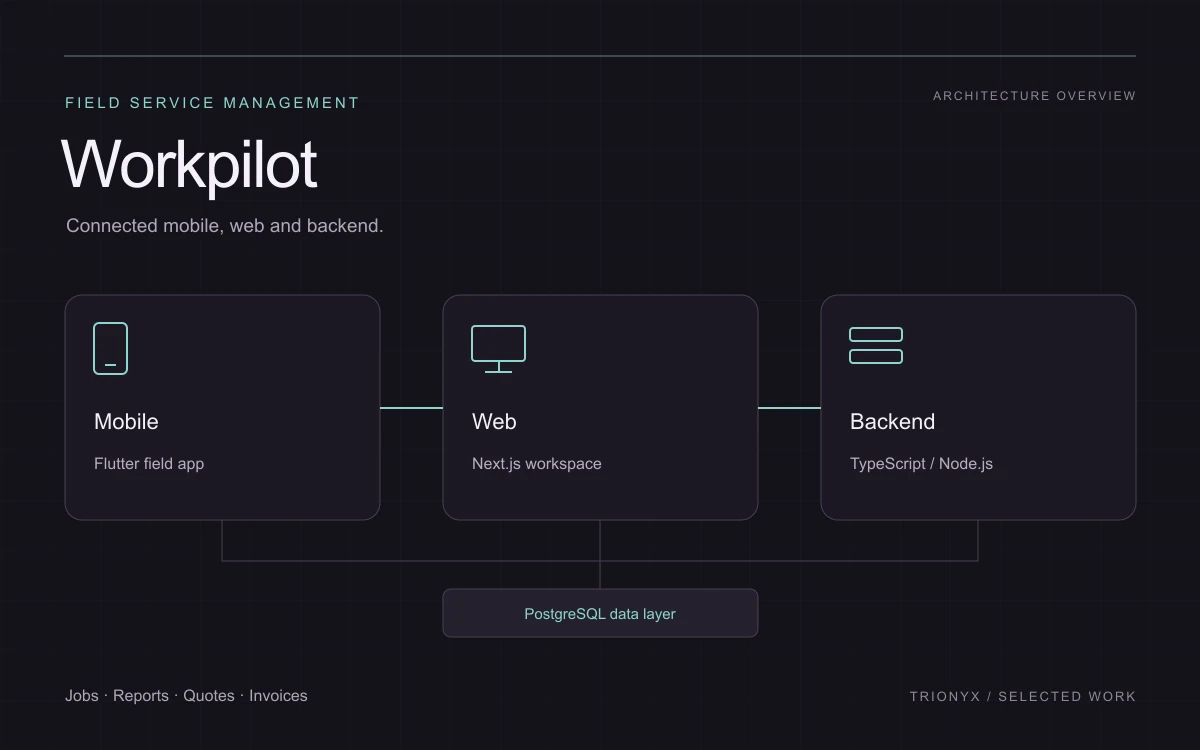
Workpilot application architecture illustration

Portfolio / Project overview

Workpilot

A Flutter field service app connected to jobs, reports, scheduling and commercial workflows in a web workspace.

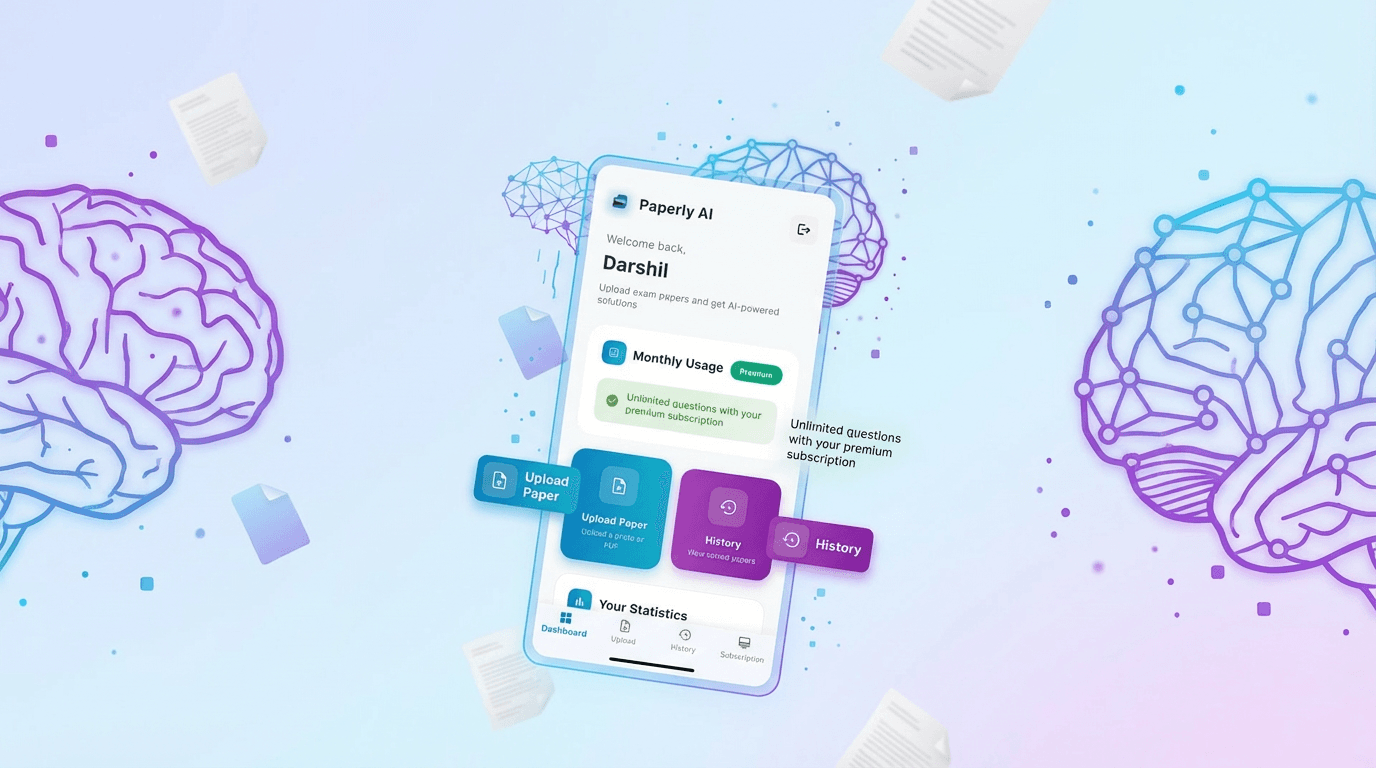
Paperly AI application preview

Portfolio / Project overview

Paperly AI

An education application combining Flutter interfaces, paper uploads and AI-generated explanations.

04 / Know what you are buying

Scope first.
Then a useful estimate.

What changes the cost of a Flutter app?

Understand the decisions that affect scope, timelines and ongoing costs before requesting quotes.

Pricing follows the feature scope

An app with accounts, subscriptions and multiple user roles needs a different plan from a small information app. Design readiness, backend work, offline behaviour, integrations and device support all affect the estimate. We separate development from store fees, hosting and third-party services.

Know when Flutter is the right fit

Flutter can share much of the interface and application logic across platforms. Hardware-heavy features, specialist native libraries and demanding background tasks may require native code or a different approach. We discuss those trade-offs instead of promising that every feature is identical on every device.

05 / Before we talk

Good questions.
Straight answers.

Will one Flutter app run on both iOS and Android?

Flutter supports iOS and Android from a shared codebase. Each target still needs the right setup, device testing and release process. Some features require platform-specific configuration or native integrations; those are identified during scoping.

How much does Flutter app development cost?

A useful estimate needs the user journeys, feature list, design status and backend requirements. We review those with you and provide a scoped proposal. We do not apply a single starting price to every app or treat third-party operating costs as development fees.

Can you work with our existing backend or designs?

Yes, that can be part of the scope. We review API documentation, authentication, design assets and access requirements first. Missing endpoints or changes to the backend are made explicit so they do not become surprises during development.

Who owns the code and developer accounts?

Source-code ownership, handover and any third-party licences are specified in the agreement. Plan for your business to control the accounts used for store distribution, hosting and integrated services; we agree the necessary access rather than asking you to share passwords.

Do you guarantee store approval or a launch date?

We plan around agreed milestones and help prepare the release. Final review belongs to Apple or Google, and approval cannot be guaranteed. Delays in content, account access, design decisions or external integrations can also affect the schedule.

Your next step

What should your first app release help people do?

Send a short brief. We will review the goal, clarify the scope and discuss the next step with you. No credentials or confidential customer data are needed for an initial conversation.

Also exploring a connected web platform? See our full stack development service.